Do you ever get to payday, swear you'll save this time, but by the end of the month, your money has seemingly vanished into thin air? Between rent, groceries, bills, and school fees, it's easy to throw your hands up and say, "I just can't save!". But the truth is, with a few clever strategies, building up a decent savings stash is absolutely doable.
Here are some top tips to make sure you've got some cash left over at the end of the month:
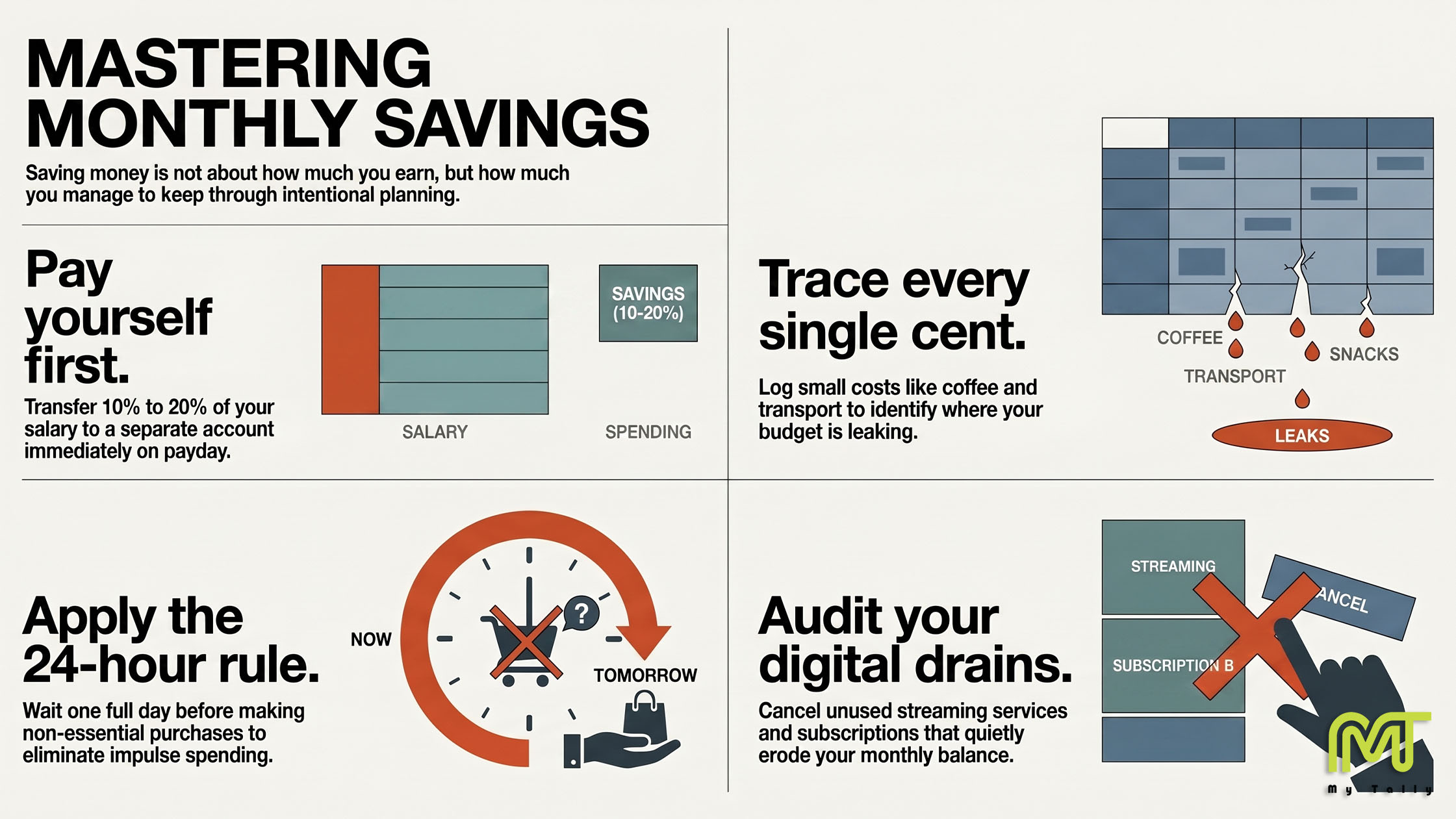
- Track your spending: The first step is knowing exactly where your hard-earned dollars are going. For one month, jot down every little expense—from your mobile recharges to your smoko breaks and online shopping sprees. You might be shocked to see how many bucks disappear on coffees, takeaways, or quick Uber rides. Once you pinpoint the leaks, it's heaps easier to figure out where to cut back.
- Pay yourself first: Don't fall into the trap of waiting to save whatever is left at the end of the month—usually, there's nothing left!. Transfer at least 10% (or 20% if you can swing it) into a separate account on payday. Moving the money straight into a different account right away makes saving a total breeze.
- Ditch the impulse buys: See it, click it, buy it? We've all been there. But impulse buying can absolutely wreck your budget. Give yourself a 24-hour cooling-off period before making any big purchases. More often than not, you'll wake up the next day realising you didn't really need it anyway.
- Be smart with your power and water: Turning off lights you aren't using, unplugging chargers, and upgrading to energy-efficient appliances won't just lower your utility bills; it's also a win for the environment.
- Eat at home more often: Grabbing a bite at a restaurant or cafe might not seem like a big deal at the time, but it really adds up by the end of the month. Cooking at home is not only cheaper but generally healthier, too. Keep dining out as a once-or-twice-a-month treat rather than an everyday habit.
- Always shop with a list: Just because something is on sale doesn't mean you're saving money if you didn't need it in the first place!. Write a shopping list and stick to it. If you're tempted to chuck something extra in the trolley, ask yourself, "Do I genuinely need this?".
- Axe those unused subscriptions: We all have streaming services, apps, or digital memberships that we barely touch. Letting go of these can easily save you a decent chunk of change over a year. Go through and cancel any subscriptions you aren't actively using.
- Boost your income: Slashing expenses is great, but looking for ways to bring in a bit of extra dosh is even better. Think about taking up freelance work, tutoring, starting a small side hustle, or selling homemade goods. For example, one home baker managed to save thousands extra a month just by selling cakes as a side gig.
- Flog off your old gear: Got old furniture, electronics, or gear gathering dust? Sell your unused items online to pocket some easy extra cash.
- Make saving a lifestyle habit: You aren't going to build a massive nest egg overnight. Start small—even a few bucks a week will eventually grow into a serious sum. The most important part is just getting started and staying consistent.
At the end of the day, you don't need a massive salary to be a good saver—you just need solid habits. By trimming your expenses, planning ahead, and putting money away consistently, you'll build long-term financial security. Remember, it’s not about how much money you make, it’s about how much you actually keep.
Quiz: Easy Strategies for Saving Money
Question 1: What is the very first step you should take to start saving money?
A) Cancel all your streaming subscriptions immediately
B) Track your expenses to see exactly where your money is going
C) Stop drinking coffee and eating out completely
Question 2: How much of your salary is recommended to be put into a separate savings account on payday?
A) 2% to 5%
B) 5% to 10%
C) At least 10% to 20%
Question 3: How long should you wait before making a large purchase to avoid impulse buying?
A) At least one day
B) One week
C) One month
Question 4: What strategy is recommended to avoid buying unnecessary items just because they are on sale?
A) Only take a small amount of cash with you
B) Always make a shopping list and stick to it
C) Avoid going to the shops and only buy things online
Question 5: Which of the following is suggested as a way to boost your income for additional savings?
A) Investing heavily in the stock market
B) Asking your boss for a pay rise
C) Starting a side hustle like tutoring, freelancing, or selling homemade goods